2 hr
Balsamic Vinegar Cellar Experience with Traditional Lunch
Explore an authentic acetaia, taste aged balsamic vinegar, and enjoy a feast of Emilian specialties
Reserve
Hand-picked by our editors — only the best 5 experiences from 12 reviewed.
Verified partners for every tour, free cancellation where available, and instant confirmation on every booking.
2 hr
Explore an authentic acetaia, taste aged balsamic vinegar, and enjoy a feast of Emilian specialties
Reserve
1 hr 30 min
Visit a historic acetaia producing authentic PDO balsamic vinegar, taste aged varieties, and pair them with regional specialties
Reserve
2 hr
Meet the producers behind authentic PDO balsamic vinegar at a family-run organic acetaia near Maranello
ReservePrices from verified partners. Availability updates in real time at checkout. Free cancellation policies apply where shown.
The landmarks, rooms, and views travelers on this tour remember — all visible on a single visit.
This 18th-century building serves as the museum headquarters and cultural hub.
They complement each other; most visitors who do both find the dedicated vinegar cellar provides the deeper educational focus, while the multi-stop food experience offers a wider taste of regional specialties. Choosing between a modena balsamic vinegar tasting tour and a broader culinary excursion depends on whether you prioritize singular craft mastery or a comprehensive regional overview.
| Feature | Top pick Balsamic Museum | Parma Food Tour |
|---|---|---|
Focus |
Single ingredient craft | Multiple regional products |
Depth of balsamic knowledge |
Technical production methods | General culinary overview |
Variety of products |
Balsamic vinegar exclusively | Cheese, ham, and vinegar |
Total tour duration |
1–2 hours | 7–8 hours |
Transportation requirements |
Personal vehicle or taxi | Organized shuttle transport |
Modena balsamic vinegar tasting tickets |
Available online | Available via third-party |
| See tickets → |
Verdict: Select the Museum visit if you seek a deep dive into traditional production, or choose the modena balsamic vinegar tasting tours if you prefer to sample a full range of local Emilia-Romagna delicacies in one day.
Choose your ticket, select your date, and reserve in under two minutes. Secure checkout handled by our verified partner.
Instant confirmation by email, with a mobile voucher you can save offline. No printing, no queuing at a collection desk.
Arrive at the entrance, show your voucher on your phone, and walk in. Most tickets include priority or skip-the-line access.
Practical details for your visit straight from our verified partners — hours, access, rules, and how to get there.
Via F. Roncati, 28, Spilamberto
Main entrance for all modena balsamic vinegar tasting tour groups.
Take bus 731 from Modena Bus Station directly to Spilamberto.
Drive south from Modena via SP623.
Casual attire is appropriate for your modena balsamic vinegar tasting experience. Comfortable footwear is recommended for navigating the historic Villa Fabriani grounds.
Large backpacks and bulky luggage are not permitted inside the exhibition halls. Secure storage is limited, so please travel light for your modena balsamic vinegar tasting visit.
Photography is permitted in most areas, provided it does not disrupt other guests. Please refrain from using flash inside the acetaia.
The museum features an access ramp at the main entrance for visitors with limited mobility. Accessible restrooms are located on the ground floor.
Please set devices to silent mode during your guided modena balsamic vinegar tasting to respect the heritage site atmosphere. Phone photography is allowed in designated areas.
The modena balsamic vinegar tasting environment is educational and suitable for families. Children under 10 years old receive free admission to the museum.
Tasting sessions are strictly controlled and included as part of your booked modena balsamic vinegar tasting tour. External food and drinks are not allowed in the exhibition galleries.
Only certified service animals are permitted inside the museum. No other pets are allowed in the building.
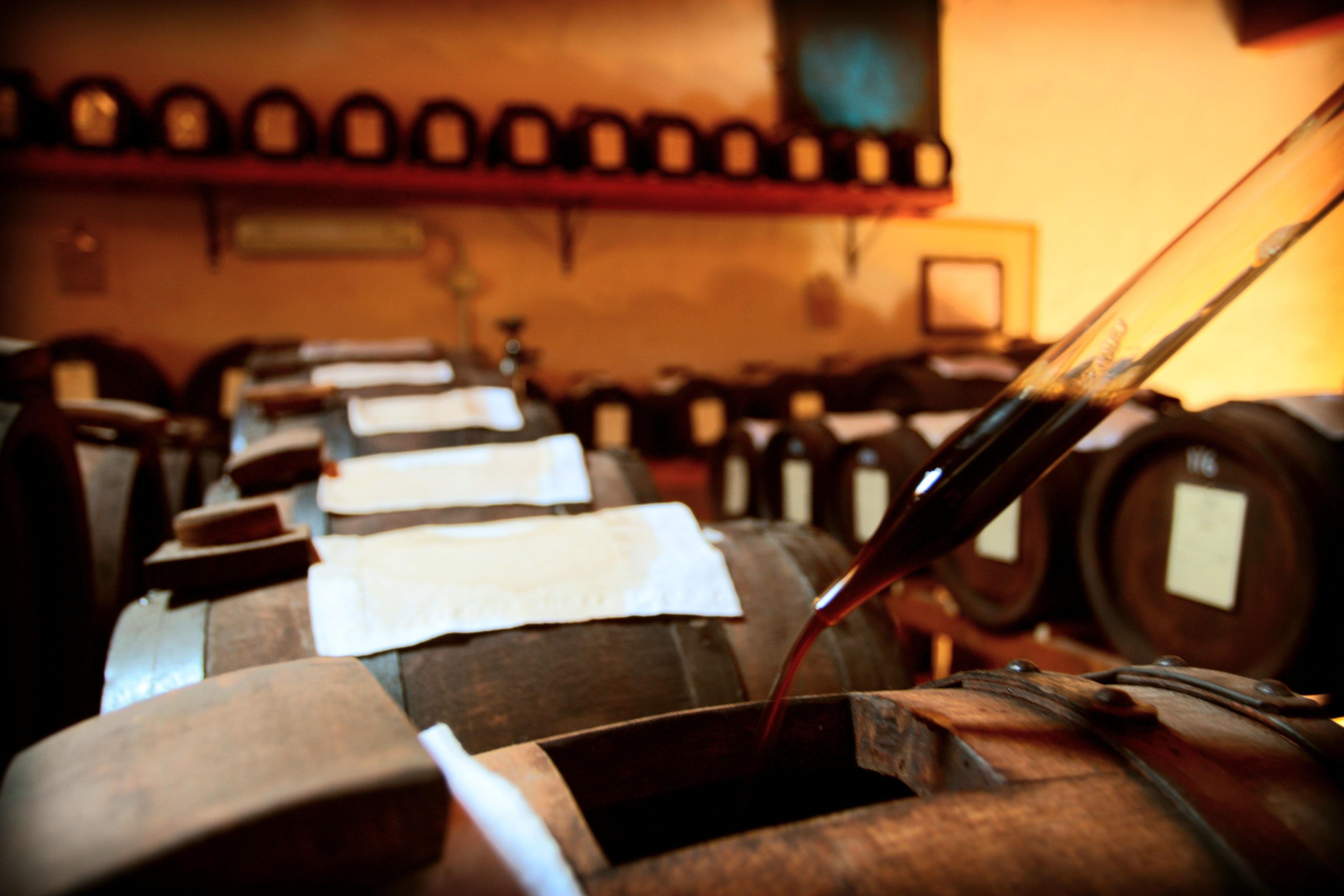
The site uses a battery system where balsamic vinegar ages through various wooden casks. Master tasters lead the sampling to explain acidity and flavor density.
Via F. Roncati, 28, Spilamberto
Main entrance for all modena balsamic vinegar tasting tour groups.
Get directionsBest time to go, insider tips, nearby landmarks, and the cancellation fine print — flip through to skim what matters to you.
How crowds, weather, and events shift across the year.
Mild temperatures make the historic cellar tour pleasant.
Peak time for balsamic production insights and museum events.
Harvest season offers a unique glimpse into the grape must preparation.
Quiet period with fewer crowds for a relaxed tasting experience.
Small details that turn a good visit into a great one.
Reserve your modena balsamic vinegar tasting tickets at least 24 hours in advance, especially for weekends.
Arrive for your modena balsamic vinegar tasting tour 15 minutes before the scheduled start time.
Plan a trip to the nearby Rocca di Vignola to maximize your day in the Modena area.
Ask the master tasters about the specific woods used in the vinegar battery.
Learn the difference between DOP traditional balsamic and commercial grades during your visit.
Non-bookable sights within a short walk — free to visit, easy to pair.
Historic castle with impressive frescoes and architecture.
Flexible, no hidden fees.
Reservations should be managed directly with the venue at least one day in advance for weekends. Cancellations must be communicated to the museum team to free up spots for others.
Hand-picked options within walking distance — pick a district for vibe, or a specific hotel for convenience.
Local guesthouses located within the town center.
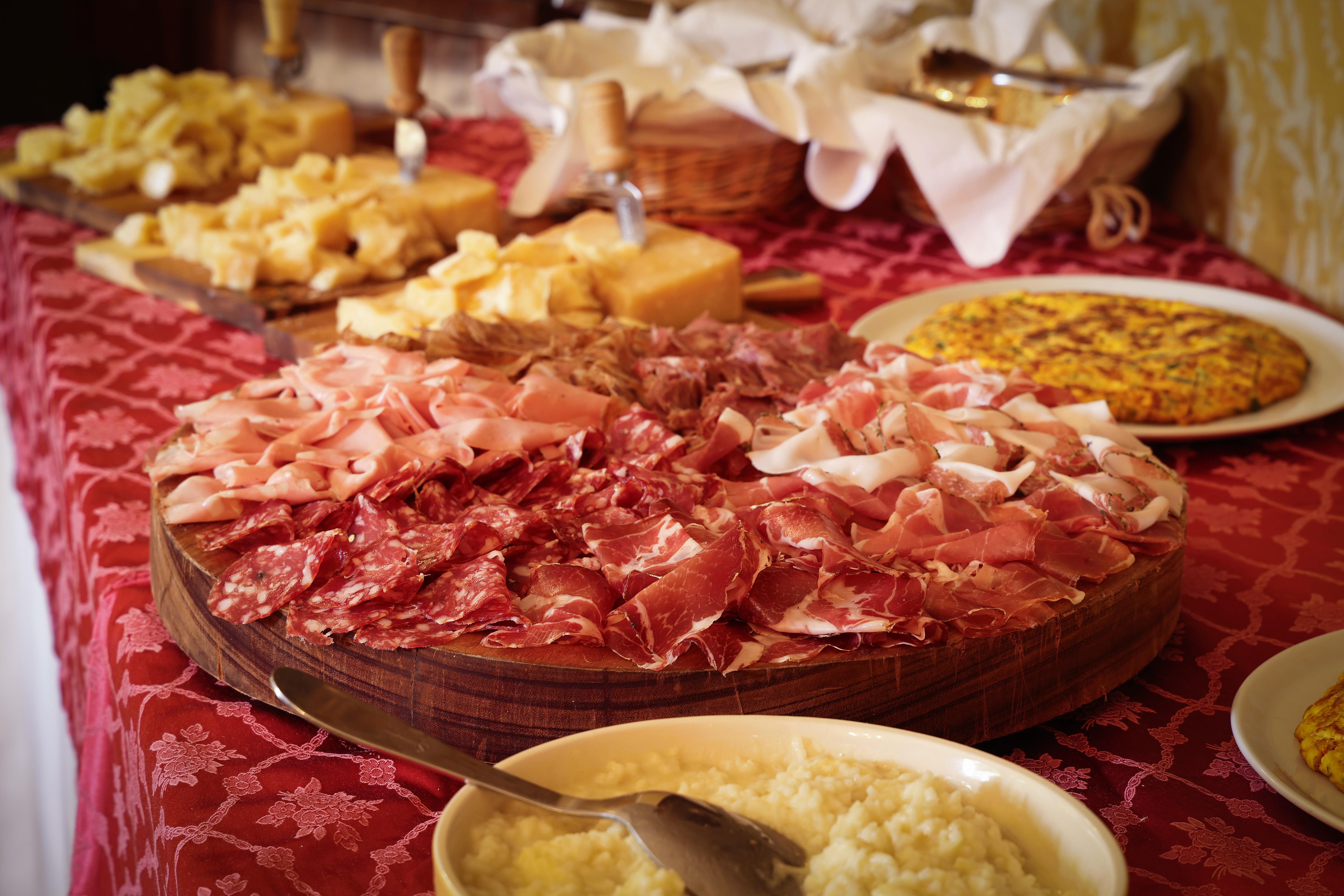
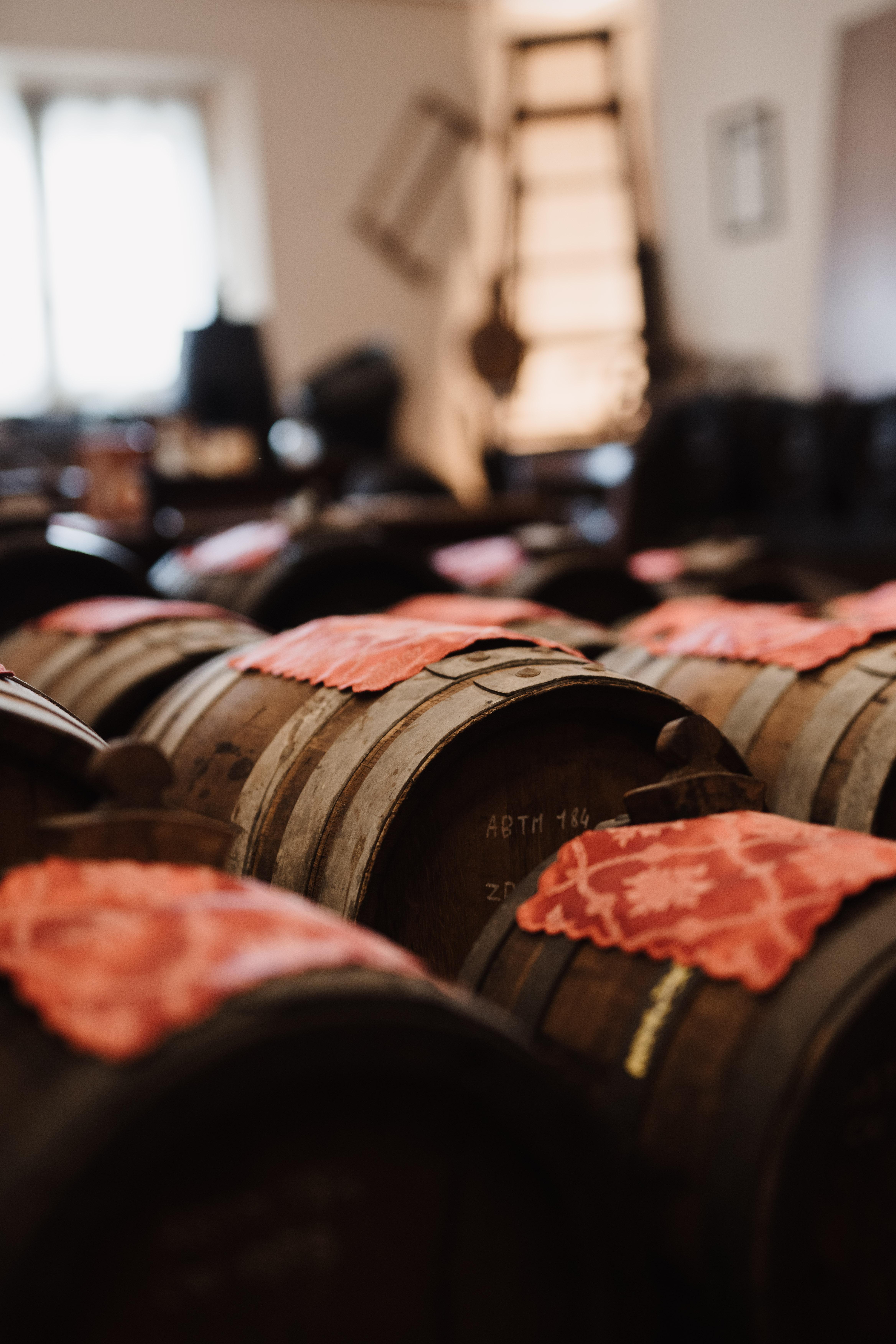
A single barrel of traditional balsamic vinegar can spend twelve years maturing in progressively smaller casks, each hewn from different woods — chestnut, cherry, oak, mulberry, juniper — before yielding a syrup dense enough to coat a spoon. This is aceto balsamico tradizionale di Modena, a product governed by a 1987 consortium decree that codified methods handed down through aristocratic Modenese families since the Renaissance. The vinegar begins as cooked grape must from Trebbiano or Lambrusco harvests, reduced by half over open flame, then sealed into attic acetaias where summer heat and winter cold drive a bacterial fermentation that transforms sugar into acetic complexity. Only the provinces of Modena and Reggio Emilia hold Protected Designation of Origin status for this condiment, and production remains resolutely artisanal: approximately 100,000 bottles emerge annually, compared to millions of litres of industrial balsamic shipped worldwide. The Museo del Balsamico Tradizionale in Spilamberto, opened in 1999 within a restored medieval villa, houses the only permanent exhibition dedicated to the craft. Its collection includes cooperage tools, antique glass cruets, and a reproduction acetaia showing the batteria system — a descending row of barrels through which vinegar cascades over decades. Guided tastings distinguish the consortium's age classifications: affinato (aged at least twelve years) and extravecchio (aged at least twenty-five), the latter bearing a gold seal and a price point exceeding 100 EUR per 100-millilitre bottle. Visitors sample vinegar alongside Parmigiano-Reggiano aged thirty-six months, a pairing that underscores Emilia-Romagna's broader reputation as Italy's gastronomic engine. Cellar experiences extend beyond the museum into working acetaias scattered across the Modenese countryside. Family-run estates open their attics to reveal barrel rows blackened by decades of evaporation, the air thick with wood tannin and fermenting must. Tastings progress from younger, sharper vinegars to syrupy extravecchios finished with fruit reductions or aged grape varieties. Some producers integrate the visit into broader food itineraries, pairing vinegar with cured culatello, mortadella di Bologna, or lambrusco wine pressed from the same vineyards that supply the must. The tactile ritual of tasting — vinegar drizzled onto porcelain spoons, never into salad — becomes a primer in terroir, revealing how soil, climate, and wood interact to produce a condiment that functions equally as seasoning and dessert topping. Modena's balsamic heritage remains inseparable from its broader culinary identity. The city anchors the Via Emilia, the Roman road linking Piacenza to Rimini, and its cuisine reflects centuries of agricultural wealth: slow-simmered ragù, hand-rolled tortellini, zampone sausage encased in pig's trotter. Balsamic vinegar threads through this repertoire as both preservative and luxury, a substance once reserved for dowries and diplomatic gifts now accessible through scheduled cellar visits and museum-led tastings that decode its chemical metamorphosis from grape to glaze.

"A single barrel can spend twelve years maturing in progressively smaller casks before yielding a syrup dense enough to coat a spoon."
A step-by-step walkthrough of the visit — what you'll see, how long each stage takes, and the details that matter.
You arrive at the Museo del Balsamico Tradizionale in Spilamberto mid-morning, the villa's ochre facade catching sunlight above Via Roncati. Inside, your guide leads you past glass cases displaying antique cruets and barrel staves, then up narrow stairs to a reconstructed acetaia where a dozen casks sit in descending order of size. She explains the batteria system: vinegar drawn from the smallest barrel is replaced by liquid from the next, a cascade that continues across the row, the largest barrel receiving fresh cooked must each autumn. The air smells faintly of caramelized fruit and oak. In the tasting room, five porcelain spoons hold vinegar samples ranging from amber to near-black. You begin with a twelve-year affinato, its acidity balanced by residual sweetness, then progress to a twenty-five-year extravecchio so viscous it clings to the spoon's curve. The guide pairs the final sample with a cube of Parmigiano-Reggiano, the vinegar's tang cutting through the cheese's crystalline fat. She drizzles a few drops over vanilla gelato, transforming dessert into a study in contrasts — cold cream against warm, woody syrup. Outside, the museum's courtyard overlooks vineyards stretching toward Modena's centro storico, the Ghirlandina tower visible on the horizon. You leave with a 100-millilitre bottle of extravecchio, its gold consortium seal proof of two decades spent in wood, and a newfound respect for fermentation as slow craft.
The museum is open Tuesday through Sunday from 10:30–17:30, with shorter hours on Wednesday (10:30–13:30).
Reservations for a modena balsamic vinegar tasting are best made by calling +39059781614 during opening hours.
Yes, Villa Fabriani has an access ramp and ground-floor facilities for visitors.
Yes, children are welcome on a modena balsamic vinegar tasting tour, with free entry for those under 10.
Photography is allowed during your modena balsamic vinegar tasting, provided you do not disturb other guests.
The fee is 12 EUR per person for a guided tour and tasting.
Plan for at least one hour to complete the full guided modena balsamic vinegar tasting tour.
Parking is available in the town of Spilamberto near the museum entrance.
We recommend contacting the staff if you anticipate a delay, though tours start promptly at 10:45, 12:00, 14:00, and 15:30.