
2 hr
Balsamic Vinegar Cellar Experience with Traditional Lunch
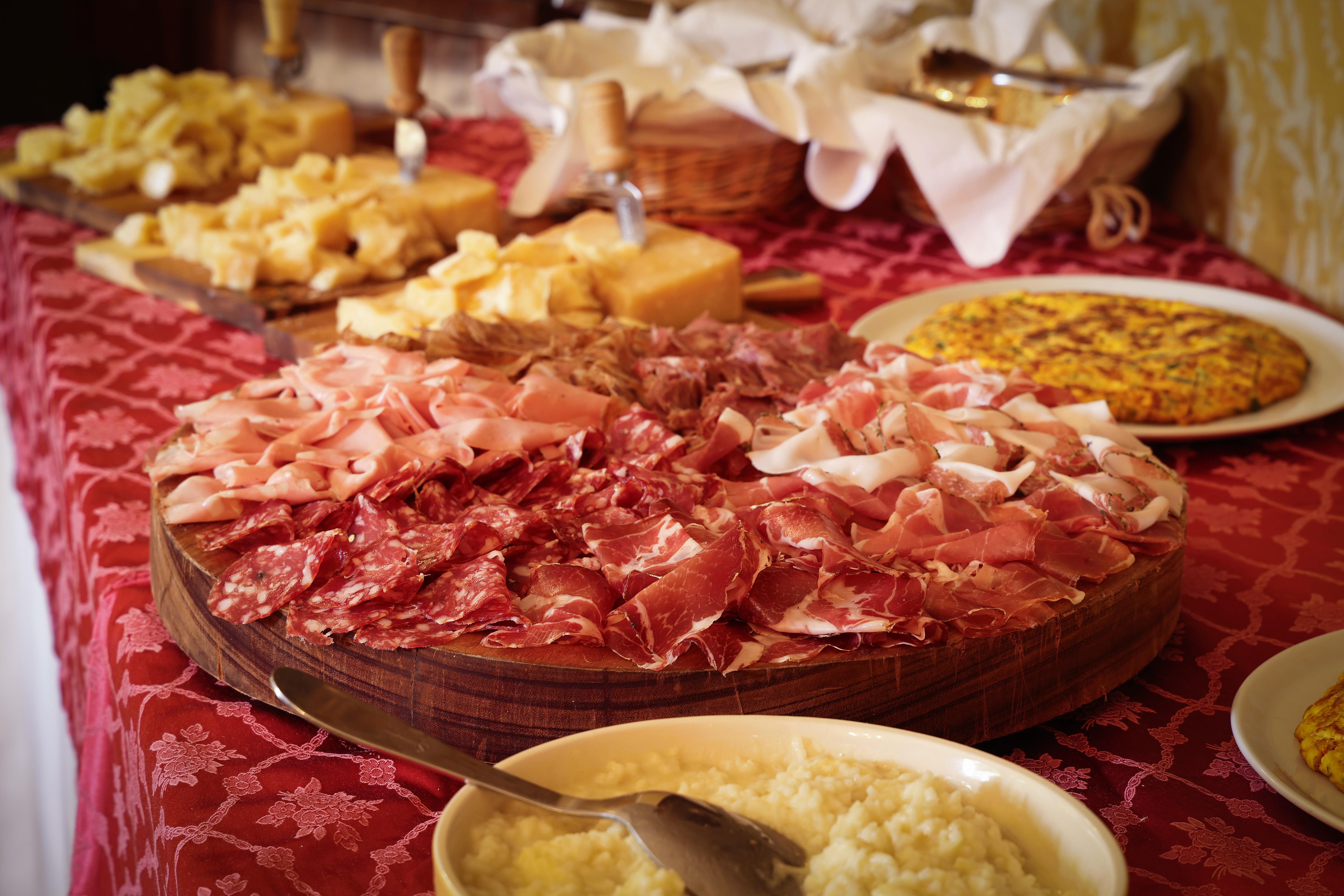
Explore a family-run acetaia, learn PDO balsamic production secrets, and savor regional specialties
Reserve
Hand-picked by our editors — only the best 5 cellar experiences from 12 reviewed.
Verified partners for every tour, free cancellation where available, and instant confirmation on every booking.
2 hr
Explore a family-run acetaia, learn PDO balsamic production secrets, and savor regional specialties
Reserve
1 hr 30 min
Visit a family-run acetaia producing authentic PDO balsamic vinegar, taste aged varieties, and pair with local foods
Reserve
1 hr 30 min
Explore a historic acetaia with tastings of century-old vinegars, paired with regional cheese and wine
ReservePrices from verified partners. Availability updates in real time at checkout. Free cancellation policies apply where shown.
The landmarks, rooms, and views travelers on this tour remember — all visible on a single visit.
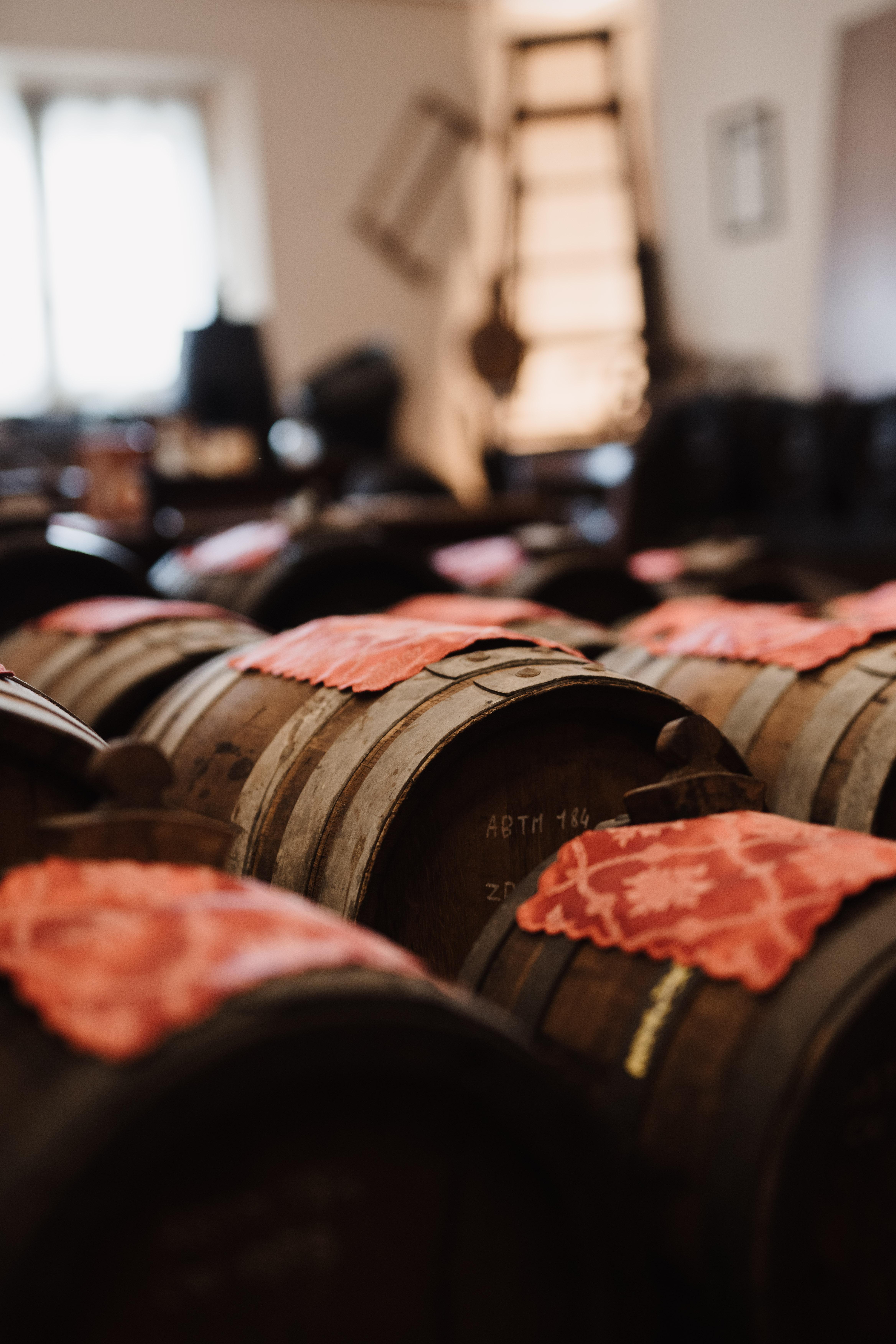
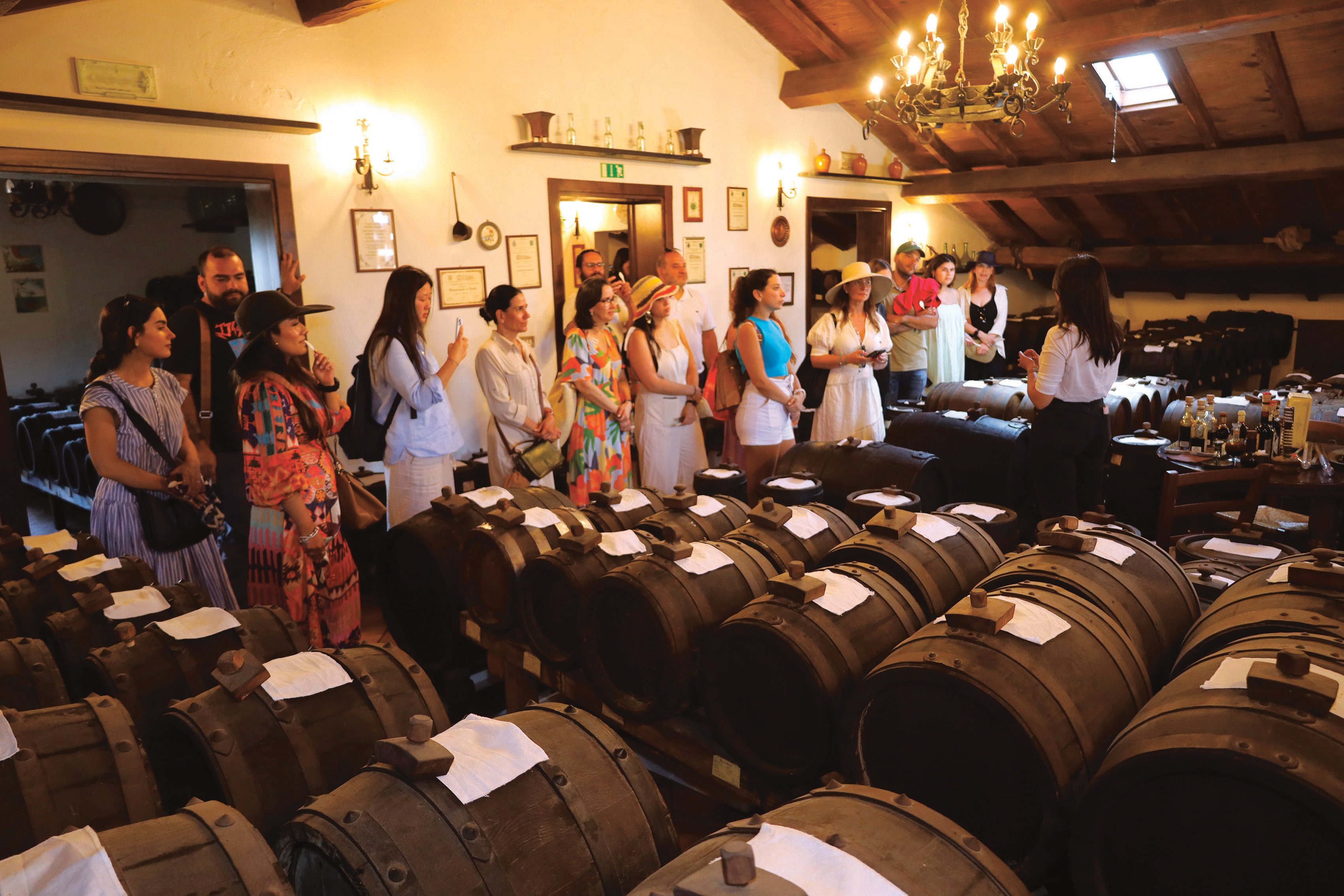
The attic houses 129 casks across 22 distinct sets, where temperature variations drive the maturation process. This environment is essential for the traditional vinegarization.
Explore artifacts and historical documents illustrating centuries of vinegar production techniques. The exhibition connects the household tradition to modern standards.
View the copper caldron used for the initial boiling of grape must. This room demonstrates the essential first phase of the process.
Discover the history of the non-profit association that has protected and promoted balsamic vinegar since 1967. The display features rare diplomas and medals.
See where experts verify the sugar and acidity levels to ensure quality. It bridges the gap between ancient tradition and scientific precision.
The official museum provides a structured, academic overview of local food heritage, whereas private acetaia tours offer a more intimate, hands-on look at family-run production. Visitors seeking the most complete modena balsamic vinegar factory tour experience often prefer combining both for a broader perspective.
| Feature | Top pick Official Museum | Private Acetaia |
|---|---|---|
Atmosphere |
Public exhibition space | Private working cellar |
Focus |
Educational heritage exhibits | Active production methods |
Accessibility |
High (ADA compliant) | Limited (historic buildings) |
Group Size |
Large/Open scheduling | Small/By appointment |
Depth of History |
Broad regional timeline | Generational family records |
Tasting Experience |
Standardized sensory profiles | Varied artisan flights |
| See tickets → |
Verdict: Choose the museum for a comprehensive introduction to this Italian landmark, or secure private modena balsamic vinegar factory tour tickets for a deeper, personalized connection with local makers.
Choose your ticket, select your date, and reserve in under two minutes. Secure checkout handled by our verified partner.
Instant confirmation by email, with a mobile voucher you can save offline. No printing, no queuing at a collection desk.
Arrive at the entrance, show your voucher on your phone, and walk in. Most tickets include priority or skip-the-line access.
Practical details for your visit straight from our verified partners — hours, access, rules, and how to get there.
Via F. Roncati, Spilamberto (MO)
Meet in the lobby 10 minutes before your tour
Take bus 731 from the Modena Bus Station directly to Spilamberto.
Follow the SP623 and Via Modenese from Modena.
Casual and comfortable attire is recommended for your modena balsamic vinegar factory tour. Flat, comfortable shoes are best for walking through the historic villa and the attic acetaia.
Large backpacks and bulky items must be left at the designated storage area at the entrance of the modena balsamic vinegar factory tour. Staff may request to inspect bags for the safety of the historic collections.
Non-commercial photography is permitted throughout most areas of the modena balsamic vinegar factory tour. Flash photography is prohibited inside the attic to protect the aging barrels.
The museum and the modena balsamic vinegar factory tour route are designed to be wheelchair accessible. Please inform staff in advance if you require assistance during your visit.
Please set mobile phones to silent mode during your modena balsamic vinegar factory tour. Quiet communication is requested to respect other guests during the guided sessions.
The modena balsamic vinegar factory tour is suitable for children and families. Engaging visuals in the exhibition help make the production process accessible to younger visitors.
Eating and drinking are restricted to the designated tasting area at the end of the modena balsamic vinegar factory tour. Please do not bring outside food into the historical rooms.
Pets are not permitted inside the museum galleries or the acetaia areas of the modena balsamic vinegar factory tour. Only service animals are allowed on the premises.
The modena balsamic vinegar factory tour provides an authentic look at the traditional production methods. Pre-booking your tickets ensures your place on the daily tours.
Via F. Roncati, Spilamberto (MO)
Meet in the lobby 10 minutes before your tour
Get directionsBest time to go, insider tips, nearby landmarks, and the cancellation fine print — flip through to skim what matters to you.
How crowds, weather, and events shift across the year.
Mild temperatures make the walk through the village of Spilamberto pleasant.
The attics where the vinegar ages reach peak temperatures for fermentation.
Observe the traditional grape harvest and pressing rituals in the local area.
Cooler months offer a quieter, more intimate atmosphere inside the museum.
Small details that turn a good visit into a great one.
Reservations are mandatory on weekends and holidays for all tours.
Arriving at 10:30 helps you settle in before the first tour starts.
Ask your guide about the age differences during the tasting portion.
Spilamberto has excellent local restaurants for a full regional experience.
Pay attention to the woods used in the barrel batteries for unique flavor profiles.
Non-bookable sights within a short walk — free to visit, easy to pair.
Historic fortress featuring impressive medieval architecture and frescoes.
The elegant 18th-century setting housing the museum exhibits.
Charming village streets reflecting the history of the region.
Flexible, no hidden fees.
Reservations should be confirmed at least one day in advance for weekends and holidays. Please contact the museum directly for any changes to your 12 EUR admission.
Hand-picked options within walking distance — pick a district for vibe, or a specific hotel for convenience.
Family-run establishments located within the historic center.
Numerous options available near the train station for easy commuting.
The oldest barrels in Modena's acetaie predate Italian unification, their contents seeded before Garibaldi marched north. Traditional balsamic vinegar of Modena earns its DOP status only after twelve years minimum in wood—often twenty-five, sometimes fifty—transferring each winter through progressively smaller casks of cherry, chestnut, oak, mulberry, and juniper. The liquid that emerges is not vinegar in any conventional sense but a syrup dense enough to coat a spoon, its acidity softened by time into something closer to saba, the cooked grape must from which it begins. The Museo del Balsamico Tradizionale in Spilamberto anchors this world, a former villa turned repository for the craft's material culture. But the real education happens in working acetaie, where producers open their attics—the batterie always live under the eaves, where summer heat accelerates evaporation and winter cold slows fermentation—and explain what a modena balsamic vinegar factory tour actually reveals: rows of barrels arranged by size, each one feeding the next in a cascade that mimics the solera system of Jerez but predates it by centuries. The wood matters. Chestnut for tannin. Cherry for color. Mulberry for sweetness. Oak for structure. A producer will tell you they taste each barrel monthly, adjusting the transfer schedule to match what the vinegar asks for, not what the calendar dictates. Emilia-Romagna's consortium laws protect aceto balsamico tradizionale from industrial imitation, but the regulations also encode a paradox: this is a product that cannot scale. Each acetaia produces perhaps a hundred liters per year, sold in those distinctive bulbous bottles designed in 1987 by Giugiaro, the man who drew the DeLorean. The price—often forty euros for one hundred milliliters—reflects not just time but the compound interest of evaporation, as thirty liters of cooked must become three liters of vinegar over two decades. What you taste at the end of a modena balsamic vinegar factory tour is mathematics made edible, a liquid proof that patience has flavor. The guided tastings proceed from young to old, twelve-year to twenty-five-year, and the progression teaches your palate to recognize what oak and time together can do to Trebbiano grapes. Some acetaie pair the vinegar with Parmigiano-Reggiano, another local product governed by time and microbial patience, and the combination makes sense: both are fermentation slowed to a geologic pace, both cost what they cost because no shortcut exists.
"Each acetaia produces perhaps a hundred liters per year, sold in bottles designed by the man who drew the DeLorean."
A step-by-step walkthrough of the visit — what you'll see, how long each stage takes, and the details that matter.
You arrive in Spilamberto by mid-morning, when the summer heat has not yet turned the attic acetaie into saunas. The guided tour begins in the museum's ground-floor galleries, where antique funnels and hydrometers explain the chemistry behind the craft, then you climb narrow stairs to the working batteria above. The smell hits first—sweet, woody, faintly alcoholic—and then you see the barrels, perhaps forty of them arranged in descending size from fifty liters down to five. Your guide lifts the cloth covering the smallest cask and dips a glass rod into liquid the color of motor oil. You taste it on your tongue: fig, molasses, a tart backbone that keeps the sweetness from cloying. The tasting proceeds chronologically. Twelve-year aceto balsamico tradizionale, bright and sharp. Twenty-five-year, rounder and darker. The guide passes around a wedge of thirty-six-month Parmigiano-Reggiano and shows you how three drops of the oldest vinegar—fifty years in wood—dissolve the cheese's crystalline crunch into caramel. You leave with a small bottle, sealed with the consortium's numbered capsule, and the knowledge that you have just swallowed two decades of Modena sunlight concentrated into ten milliliters. The Via Roncati facility closes at half-past five; the last tours depart by three-thirty to allow time for the full tasting sequence.
The museum is open Tuesday–Sunday, with full-day hours from 10:30–17:30, except Wednesdays when it closes at 13:30.
Yes, pre-booking is strongly recommended on weekdays and mandatory for weekends and holidays.
Full price admission with guided tour and tasting is 12 EUR.
Large bags must be left in the storage area provided at the Via F. Roncati entrance.
Yes, the museum facilities are designed to be wheelchair accessible for all visitors.
Non-commercial photography is permitted, though flash is prohibited near the aging barrels.
For the best experience, arrive between 10:30–15:30 to comfortably join a scheduled tour.
Yes, the tour is family-friendly and children under 10 receive free admission.
The museum is located at Via F. Roncati, Spilamberto (MO), Italy.